If you are an industry leader or on your way to becoming one I want to activate you for a higher mission and even more success. You are meant for greatness!

ACTIVATED
GET
MEMBER'S AREA

AS SEEN ON:


AS SEEN ON:

"UNWORK" represents a call to revolutionize how individuals perceive work, success, and fulfillment, empowering them to break free from the chains of overwork.
"UNWORK" represents a call to revolutionize how individuals perceive work, success, and fulfillment, empowering them to break free from the chains of overwork.
Workaholism poses a growing challenge in the United States, resulting in burnout, high turnover rates, and increased costs. In response, we are organizing an event featuring a keynote and panel discussion with Melvin Pillay, author of "UNWORK," and James Rosebush, former Deputy Assistant to President Reagan, Chief of Staff to First Lady Nancy Reagan, and Senior Advisor at the White House.
This event aims to examine potential strategies for organizations and policymakers, as well as individual approaches to combat workaholism. Moreover, it seeks to explore the need for a shift in the discourse surrounding productivity and personal success in the United States. We invite you to join us in exploring solutions for enhancing workplace well-being and reducing the societal burdens of overwork.
The concept of "UNWORK" challenges the prevailing notion of workaholism as an acceptable addiction and aims to dispel the outdated belief that "Hard work never killed anyone." In reality, it does. The implications are substantial, as highlighted by the following statistics:
- Courtesy of Zipdo, writer Alexander Eser.
"UNWORK" is not a new philosophy or concept; it was introduced over 2000 years ago by Jesus as an approach for those consumed by labor and a religious, humanistic connection to God. In Matthew 11:28-30, Jesus said, "Come unto me, all ye that labor and are heavy laden, and I will give you rest. Take my yoke upon you, and learn from me; for I am meek and lowly in heart: and you shall find rest for your souls. For my yoke is easy, and my burden is light."
Consequently, exploring and embracing alternative paradigms of work, success, and fulfillment is imperative. "UNWORK" represents a call to revolutionize how individuals perceive work, success, and fulfillment, empowering them to break free from the chains of overwork. Join us in redefining success and embracing a life of freedom and fulfillment.

"Melvin Pillay is a gifted life coach who knows how to unlock the best out of any individual with love and care."

"Melvin I love your enthusiasm. What a privilege it is for you to be here with us where you also honored God so wonderfully well and so excitingly."
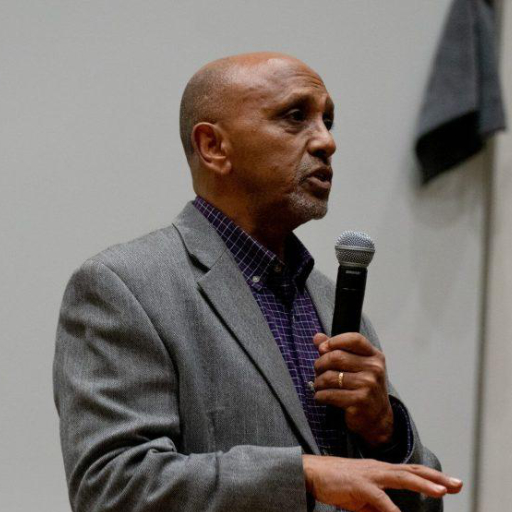
"Melvin shares how to gain true success not only at work but also at home. This teaching results from Melvin's practical living, which came from more than 25 years of research on this topic."
Former Prime Minister of Ethiopia

"My business was going to the pits nearing $0 in revenue. When Melvin officially became my prophetic mentor, in 60 days my business became a six-figure company!"
Dallas Texas

"One of Melvin's greatest talents is teaching people how to do business God's way, not man's way.
Lake Orion, MI
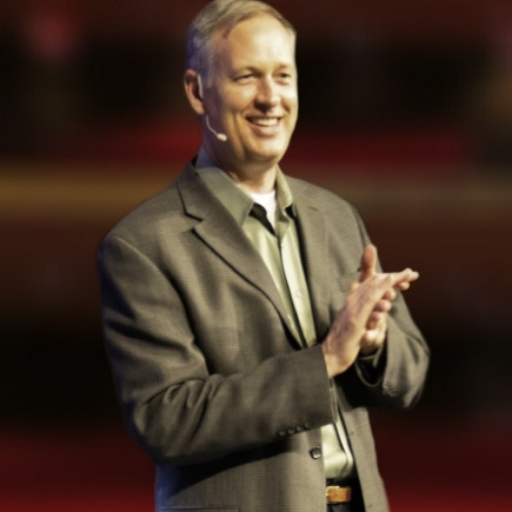
"Melvin has been a true difference-maker for me... in my business and in my life. My whiteboard session with him was a profound experience that literally changed things in me."
Sylvania, OH

"Melvin Pillay is a rare find. For all who read these words, I hope that you have at least one chance to encounter Melvin sometime in your life."
Workaholism poses a growing challenge in the United States, resulting in burnout, high turnover rates, and increased costs. In response, we are organizing an event featuring a keynote and panel discussion with Melvin Pillay, author of "UNWORK," and James Rosebush, former Deputy Assistant to President Reagan, Chief of Staff to First Lady Nancy Reagan, and Senior Advisor at the White House.
This event aims to examine potential strategies for organizations and policymakers, as well as individual approaches to combat workaholism. Moreover, it seeks to explore the need for a shift in the discourse surrounding productivity and personal success in the United States. We invite you to join us in exploring solutions for enhancing workplace well-being and reducing the societal burdens of overwork.
The concept of "UNWORK" challenges the prevailing notion of workaholism as an acceptable addiction and aims to dispel the outdated belief that "Hard work never killed anyone." In reality, it does. The implications are substantial, as highlighted by the following statistics:
- Courtesy of Zipdo, writer Alexander Eser.
"UNWORK" is not a new philosophy or concept; it was introduced over 2000 years ago by Jesus as an approach for those consumed by labor and a religious, humanistic connection to God. In Matthew 11:28-30, Jesus said, "Come unto me, all ye that labor and are heavy laden, and I will give you rest. Take my yoke upon you, and learn from me; for I am meek and lowly in heart: and you shall find rest for your souls. For my yoke is easy, and my burden is light."
Consequently, exploring and embracing alternative paradigms of work, success, and fulfillment is imperative. "UNWORK" represents a call to revolutionize how individuals perceive work, success, and fulfillment, empowering them to break free from the chains of overwork. Join us in redefining success and embracing a life of freedom and fulfillment.
Workaholism poses a growing challenge in the United States, resulting in burnout, high turnover rates, and increased costs. In response, we are organizing an event featuring a keynote and panel discussion with Melvin Pillay, author of "UNWORK," and James Rosebush, former Deputy Assistant to President Reagan, Chief of Staff to First Lady Nancy Reagan, and Senior Advisor at the White House.
This event aims to examine potential strategies for organizations and policymakers, as well as individual approaches to combat workaholism. Moreover, it seeks to explore the need for a shift in the discourse surrounding productivity and personal success in the United States. We invite you to join us in exploring solutions for enhancing workplace well-being and reducing the societal burdens of overwork.
The concept of "UNWORK" challenges the prevailing notion of workaholism as an acceptable addiction and aims to dispel the outdated belief that "Hard work never killed anyone." In reality, it does. The implications are substantial, as highlighted by the following statistics:
- Courtesy of Zipdo, writer Alexander Eser.
"UNWORK" is not a new philosophy or concept; it was introduced over 2000 years ago by Jesus as an approach for those consumed by labor and a religious, humanistic connection to God. In Matthew 11:28-30, Jesus said, "Come unto me, all ye that labor and are heavy laden, and I will give you rest. Take my yoke upon you, and learn from me; for I am meek and lowly in heart: and you shall find rest for your souls. For my yoke is easy, and my burden is light."
Consequently, exploring and embracing alternative paradigms of work, success, and fulfillment is imperative. "UNWORK" represents a call to revolutionize how individuals perceive work, success, and fulfillment, empowering them to break free from the chains of overwork. Join us in redefining success and embracing a life of freedom and fulfillment.